
Through My Eyes
Monday May 5
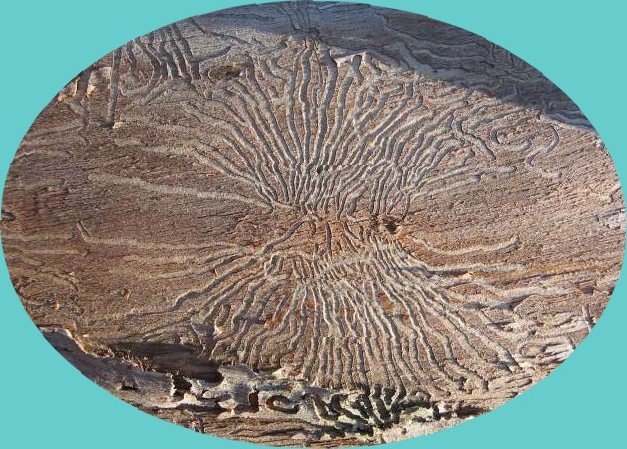
( Not exactly weaving but still I thought could be inspirational for us.)
" Agriculture was the soul of the Inca empire; it determined everything. The Andean farmers' year was divided into two seasons: wet and dry. The wet season began in October and extended to May; the dry season, starting in May although subject to considerable caprice ( hence the Inca's preoccupation with obeisance to the unseen powers), continued into November.
In the autumn the lands of the commune were divided fairly between the members of the ayllu, the earth-cell which controlled the communal land tenure. First the lands (chacras) assigned to the Inca, that is state lands, were cultivated communally ( part of the Indians' mit' a tax of work service), then that of the sun, the state religion. The usufruct thereof was harvested and stored for the use of these agencies. These state granaries were stocked , so the early Spaniard remembered, with maize, quinoa, chuno, charqui(dried lama meat), fish, cords, hemp, wool, cotton, sandals, and military arms, stored in hampers, each item in its appropriate warehouse. They were seen by Francisco de Xeres, the first soldier chronicler of the conquest of 1533, who remembered these warehouses as being "piled to the roof, as the Merchants of Flanders and Medina make them." I promise to add more tomorrow...

* This is still from the book Realm of the Incas .